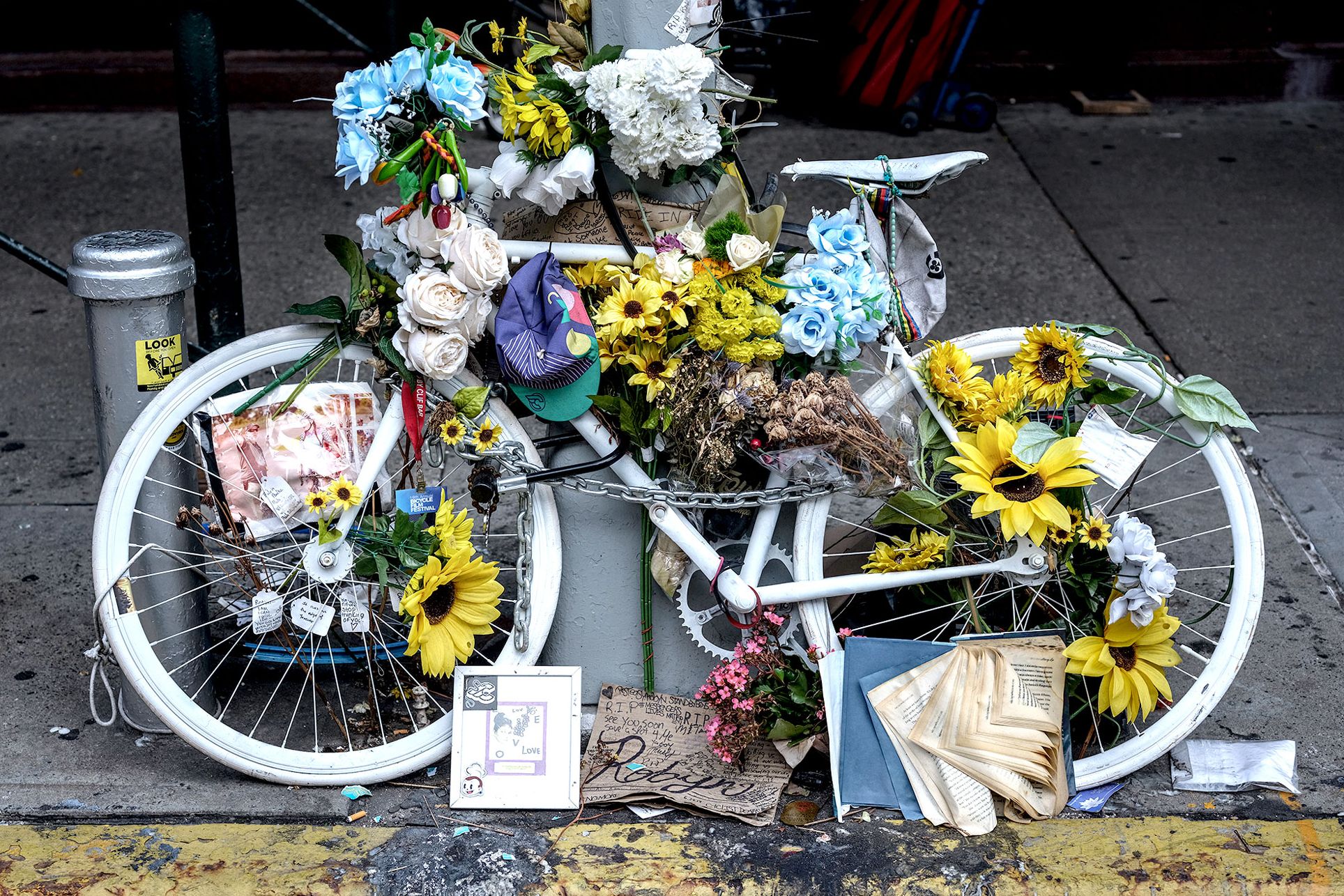
 Victor J. Blue, “What’s Really Killing New York’s Cyclists,” Bicycling.com
S639/A7071 Stop as Yield (Idaho Stop)
A person operating a bicycle approaching a steady red traffic-control signal shall stop before entering the intersection and shall yield to all other traffic. Once the person has stopped, the person may proceed through the steady red traffic-control signal with caution.
A person operating a bicycle approaching a stop sign shall slow down and, if required for safety, stop before entering the intersection. After slowing to a reasonable speed or stopping, the person shall yield the right-of-way to any vehicle and pedestrians if required, before proceeding.
Trucks and Intersections (New York City, London)
Twenty seven NYC cyclists were killed in traffic crashes in 2019—eighteen more than 2018 and the most since 1999. [30 cyclists in 2023.] This is despite NYC adding hundreds of miles of bike lanes and reducing the speed limit to 25 mph.
More than half the 2019 cyclists deaths in NYC involved commercial vehicles—many “hooked” at intersections.
In 2017, NYCDOT found that 89% of city bicyclists killed or seriously injured (KSI) in vehicle crashes between 2004-2016 were struck by drivers at intersections.
In 2007, Transport for London found that women cyclists were killed by trucks three times as often as men—despite being one quarter of the ridership. Researchers posited that women were more likely to obey traffic signals and be caught in a truck driver’s blind spot.
Reduce Disparate Enforcement
In May, 2025, the NYPD announced a new policy of criminalizing traffic violations by cyclists.
NYC cyclists have long been singled out for enforcement, receiving 15% of tickets handed out by the NYPD despite taking just two percent of city trips.
Passing Stop as Yield would reduce disproportionate enforcement, pre-textual stops, and the criminalization of safe, predictable cycling behavior.
Empower Bicyclists to Get Out of Harm’s Way
Laws governing cyclist behavior must reflect how cyclists de-conflict with cars and trucks to avoid getting killed. If we expect people to obey the law, we should not have laws which puts them in harm’s way.
Fifty one cyclists were killed across New York State in 2023. Enabling them to enter an intersection before a light turns green gets them out of truck drivers’ blind spots and past cars blocking bike lanes—two major causes of cyclist deaths.

“Right Cross” Images Joseph Lertola.

“Doored”

“Left Hook”
Allowing cyclists to yield at stop signs reduces fatigue—and time in intersections when they’re apt to get hit—additional risk factors.
And it would facilitated networks of bikeways along secondary roads that cyclists stay off of to avoid repeated stopping.
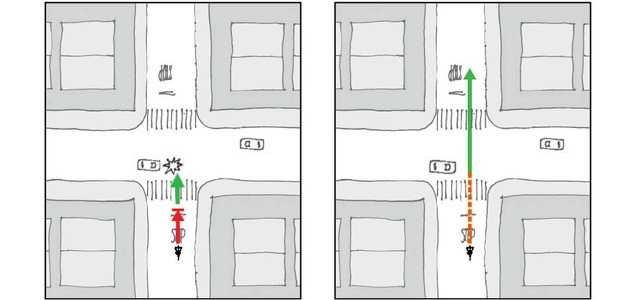
“Stop as Yield”
Other
- Establish visibility at intersections
- De-conflict from turning traffic
- Separate from cars when you’re least stable (getting up to speed), particularly going up hills
- Create a safe zone to navigate potholes, broken glass, blocked bike lanes and car doors
- Reduce duration in “conflict zones”
- Reduce fatigue and potential injury from repeated stopping and starting
- Reduce exposure to car exhaust and radiated heat
- Reduce exposure to elevated road temperatures and to maintain a cooling breeze
- Reduce exposure to snow and freezing rain
In March, 2022, after reviewing data from eight states which passed Stop-as-Yield legislation, the National Highway Traffic Safety Administration concluded that bicycle stop-as-yield laws enhanced cyclist safety in states where they were evaluated.
Idaho, which passed similar legislation in 1982. The next year, bike injuries declined 14.5%. Based on data collected 2011-2015, Idaho has the third fewest fatalities per 10,000 bicycle commuters in the U.S. This is despite Idaho ranking 47th on federal funds spent on bike—walk improvements.
Delaware crashes involving bicycles at stop sign–controlled intersections fell 23% in the 30 months after the Bicycle Friendly Act was passed in 2017.
Enhance Pedestrian Safety
Despite the sharp rise in cycling in New York City over the past decade, only a handful of pedestrian fatalities have been attributed to cyclists.
Since 2018, NYC cyclists have been allowed to enter intersections during the “leading pedestrian interval” (LPI)—effectively the same behavior encouraged by Stop as Yield.
Prior to implementation, NYCDOT performed a controlled study which found that red light violations by cyclists dropped 66% when they were offered the opportunity to enter the intersection during the LPI.

NYCDOT
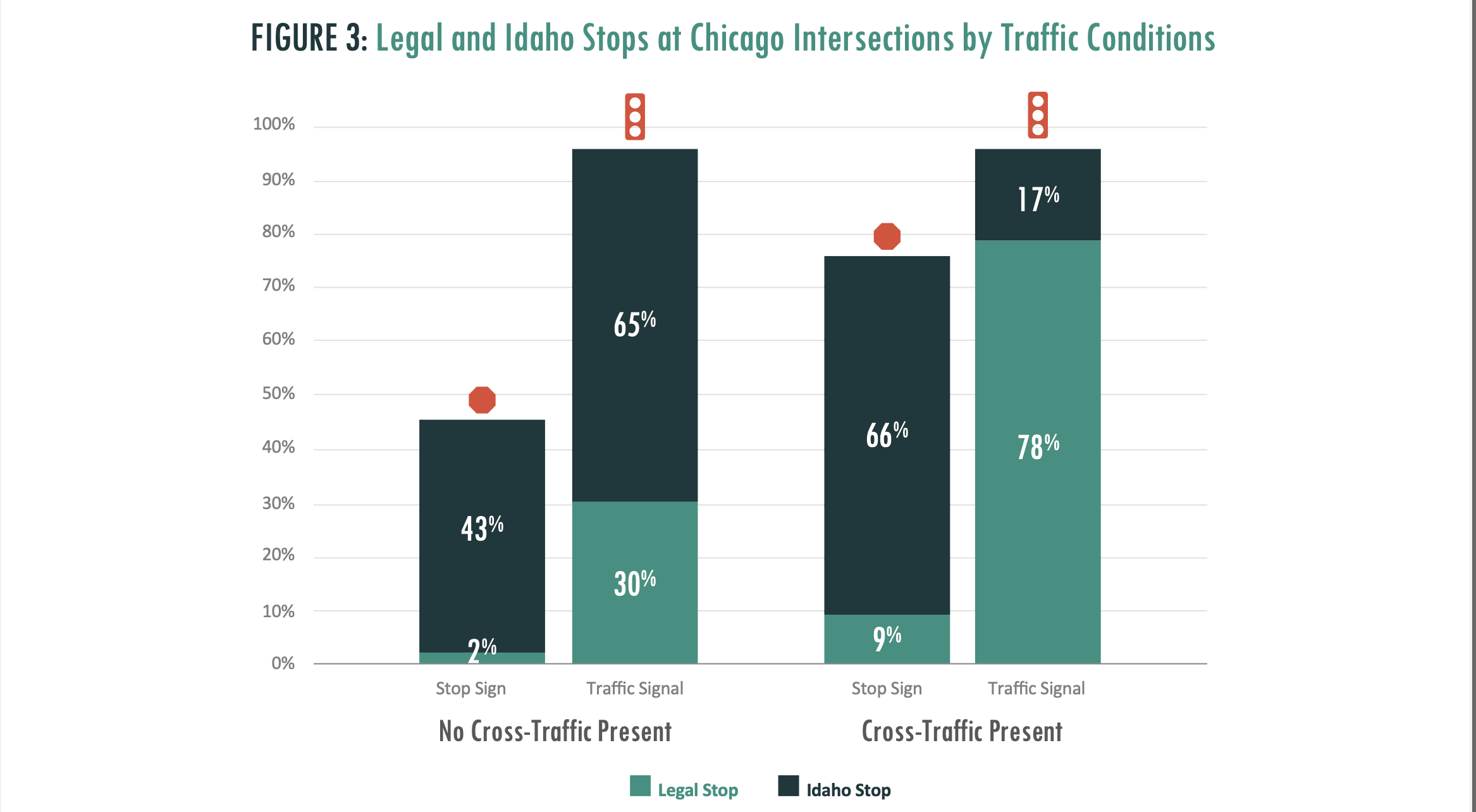
A 2016 study of Chicago cyclists found that 95% performed either fully legal or Idaho Stops at intersections governed by traffic signals, with presence of cross-traffic being the operative variable. Only 5% of cyclists did neither.
Passing Stop as Yield would (de facto) focus enforcement on that 5% by targeting those who fail to “respect pedestrian right-of-way” [VTL 1151(a)] or “maintain a speed not reasonable or prudent” [VTL 1180(a)]—behaviors which truly impact pedestrian safety.
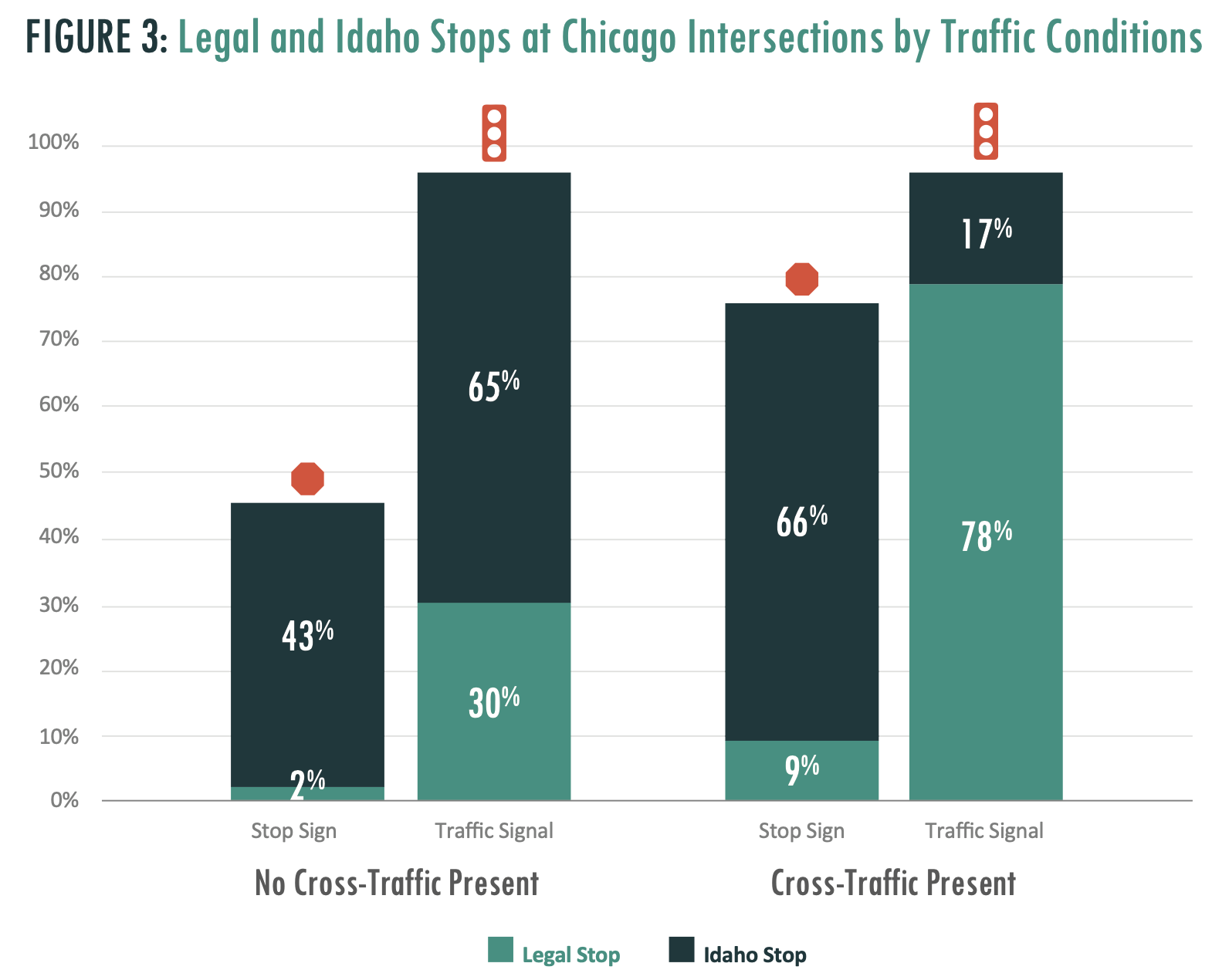
Chicago Department of Transportation
Stop as Yield in Cities (U.S., Paris)
U.S. cities with double-digit bicycle mode share have 80% fewer pedestrian fatalities.
Paris, a city of 2.1 million, explicitly prioritized pedestrian safety when they passed Stop as Yield in 2015:
“Cyclists must show prudence and respect in all circumstances—in particular pedestrians to whom they must always give way.”
Today, Paris rush hour commutes comprise 18.9% of total—compared to 6.6% by car. And France overall has one third the fewer pedestrian fatalities per capita than the U.S.
Improve Air Quality
From an overall public health perspective, the marked improvement in Paris’ air quality resulting from the transition to non-polluting modes of travel was a significant collateral benefit.
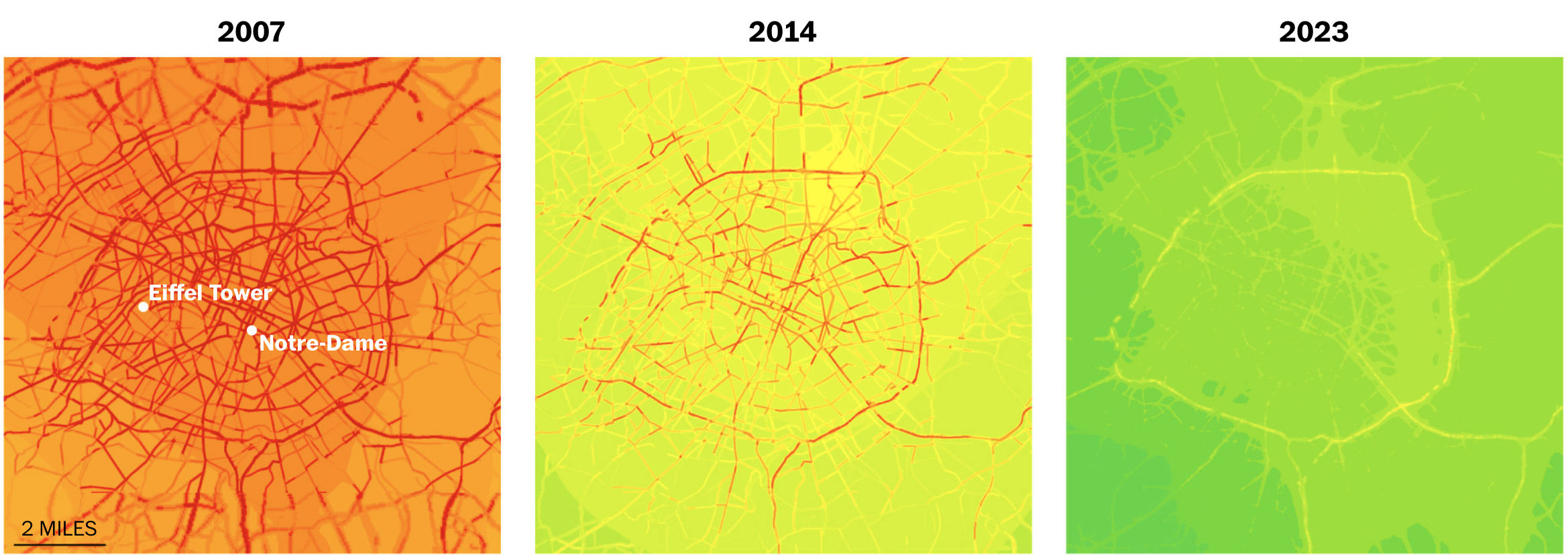
Paris – PM 2.5 particulant levels. Airparif
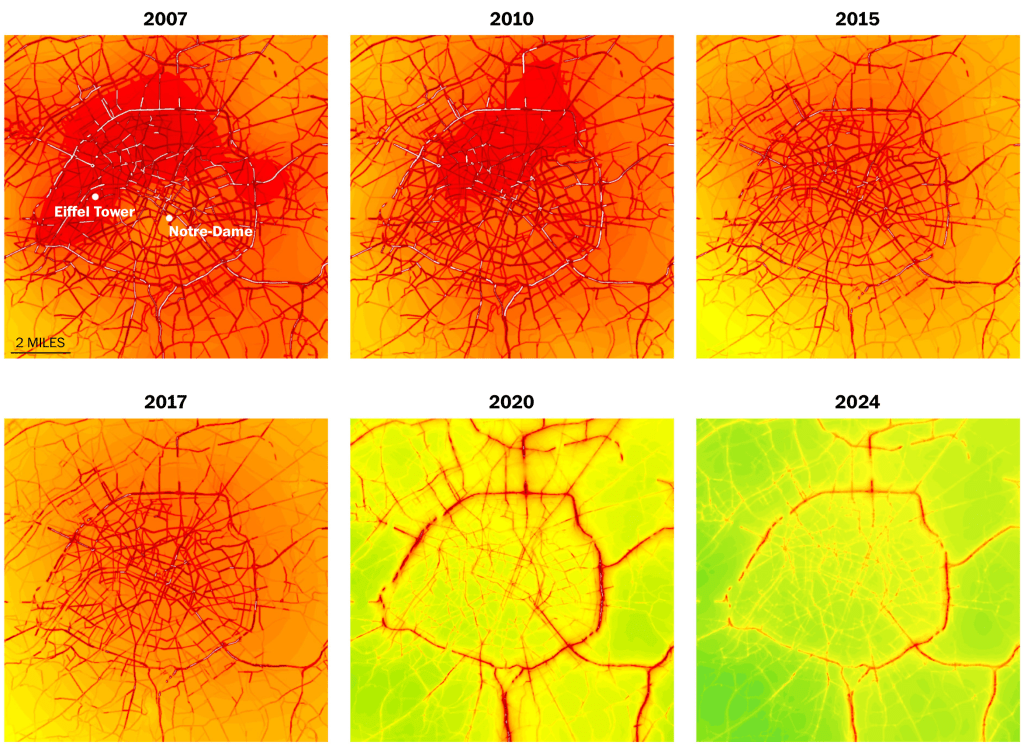
Paris – Nitrogen Dioxide levels. Airparif
A 2010 Belgian study found that cyclist exposure to particulants is 4.3 times greater than occupants of cars. The study concluded that enabling cyclists to increase the distance from cars’ exhaust pipe reduces that exposure.
In 2016, a Harvard and University of North Carolina study linked over two thousand premature deaths across New York to high levels of particulate matter and ozone.
In 2020, the American Lung Association graded Bronx, Brooklyn, Queens, Manhattan, Staten Island, Suffolk and Westchester an “F” for air quality.
In 2022, scientists analyzing satellite data of thirteen U.S. cites found that the poorest areas experienced significantly higher levels of pollution than their wealthier counterparts. In New York and Newark, 26% greater.
In addition to reducing cyclists’ exposure, any increase in bicycle mode share will broadly improve air quality and reduce premature deaths.
Enhance Motorist Safety
A 2023 analysis of driver behavior employing game theory argued that intersections governed by three-way stops were inherently safer than four-way.
This implies that legislation that enabled cyclists to slow through stop signs—a random element similar to a three-way stop—would also make motorists safer.
Share the Benefits of Road Construction With Those who Foot the Bill
Non-motorists pay half the cost of road construction and maintenance, they deserve a decent infrastructure and enlightened legislation so they may safely share the benefits.
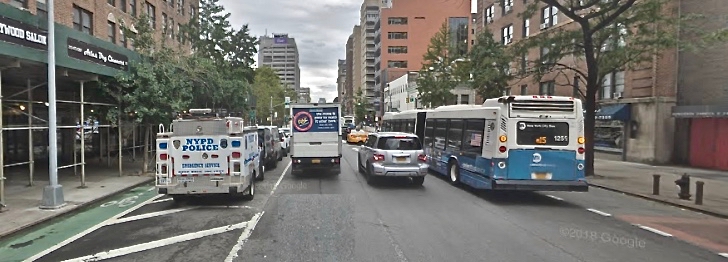 2nd Avenue, NYC. Image Google Maps.
Maximize Return on Bike Infrastructure
New York has invested billions of dollars bike infrastructure—Mario M. Cuomo Bridge ($400 million), Hudson Greenway ($1 billion), Walkway Over the Hudson ($40 million), Empire State Trail ($200 million). Making cycling safer and easier will increase throughput and grow the constituency for further improvements.
Because cyclists take up so little space and consume so few resources, growing bicycle mode share reduces the need to invest in more expensive transit modes and more expensive strategies to reduce CO2 emissions from transportation.
Enable Bike Routes on Secondary Roads
Allowing cyclists to yield-and-go at signed intersections will facilitate use of secondary roads to create a network of urban bikeways. This will extend resident access to green space, yielding significant public health improvements.
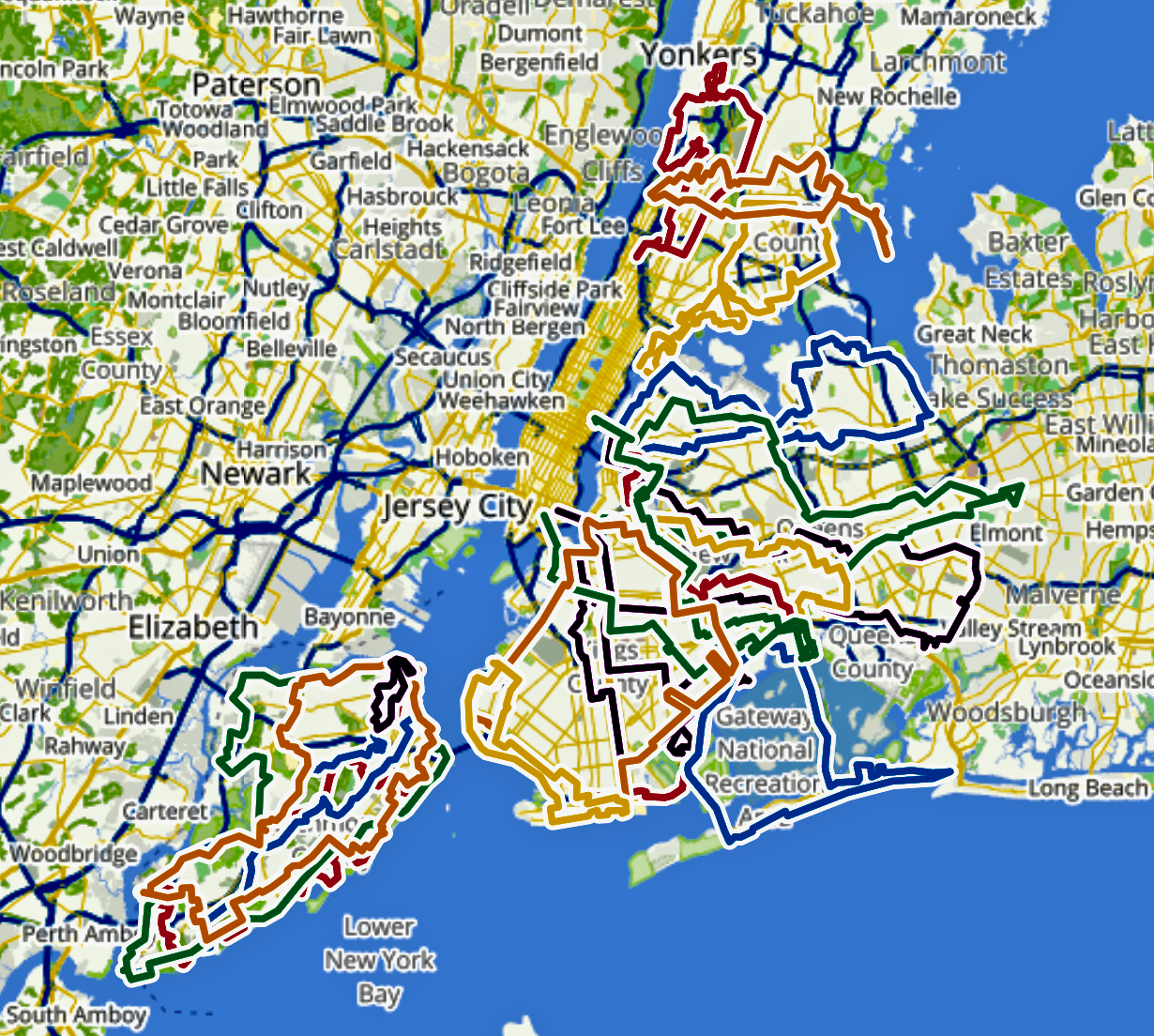
Grayways – 500 miles of recreational bikeways connecting city parks
Enhance Access to Green Space and Grow Tourism
Cycle tourism added $97 billion to the U.S. economy in 2017. Per capita, that’s half a billion dollars per year in New York State.
New York City houses 880,000 adult cyclists but has few recreational facilities not crowded with runners and walkers. This constituency is a captive market for state-local tourism, including neighborhood food shops who’d see a surge in customers.
“We need to do more in New York State to make cyclists feel safe if we want bicycle tourism to work here. New York has an image problem when it comes to cyclists and their safety. Passing (this legislation) will help to change that.” – Lukas Herbert, Owner, Gotham Bicycle Tours
 Complete George